
Subsidence Surveys & Repairs Across 38 Greater Manchester Locations
We connect you with approved subsidence specialists throughout Greater Manchester and the North West. Every area has unique ground conditions - our partners understand local subsidence patterns from clay shrinkage to historic coal mining.
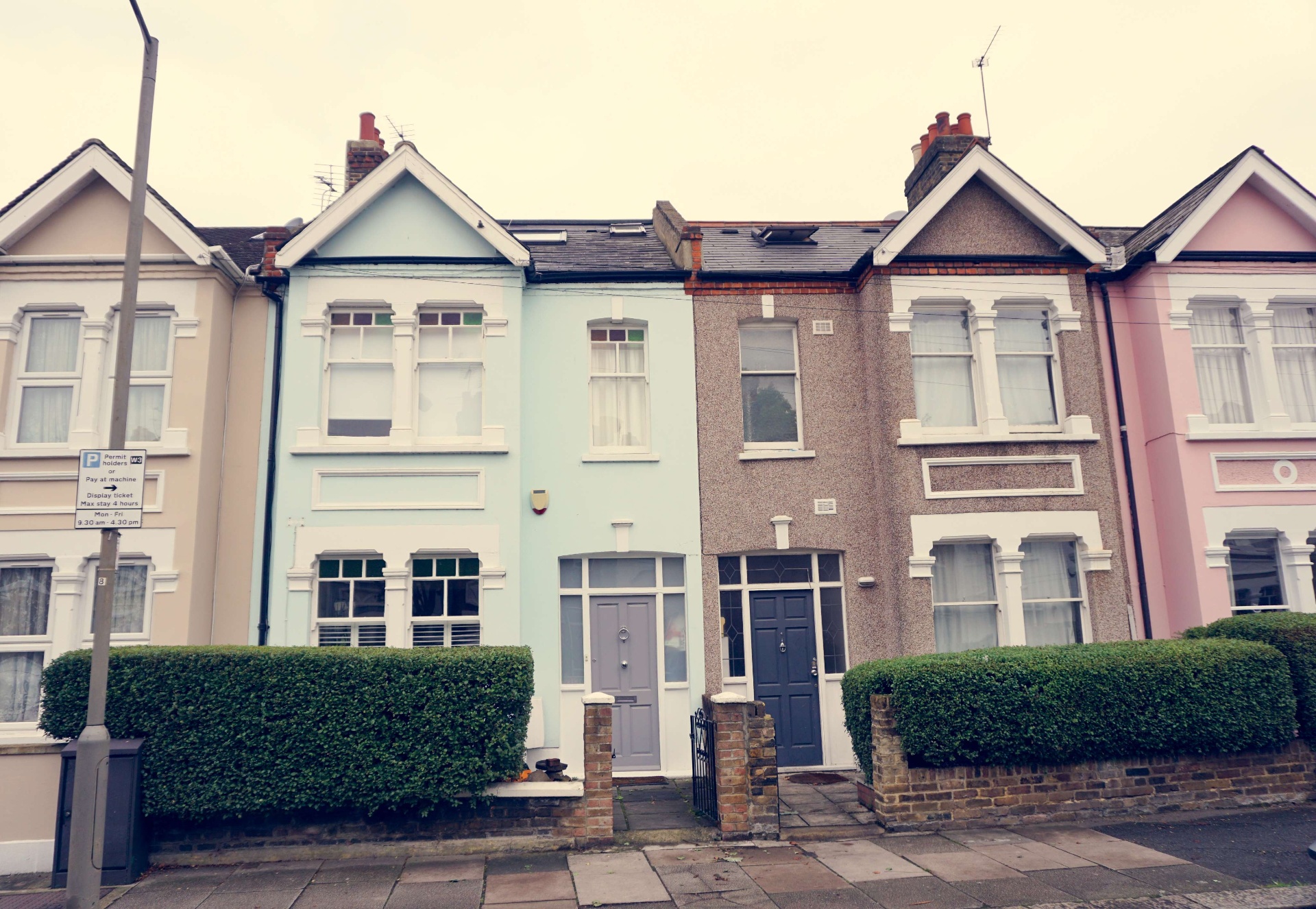
Covering everywhere from Victorian terraces in Didsbury to mill conversions in Ancoats, former mining areas in Wigan to leafy suburbs in Altrincham.
Select Your Area
Greater Manchester experiences high rates of subsidence due to Glacial Till and Mercia Mudstone clay soil, historic coal mining, and Victorian housing stock built with shallow foundations.
Didsbury
Victorian and Edwardian properties on clay soil with tree-related subsidence risks
Chorlton
Victorian terraces and Edwardian semis on reactive clay foundations
Withington
Mix of student housing and family homes with foundation challenges
Fallowfield
Dense Victorian terraced housing requiring structural monitoring
Levenshulme
Traditional terraces on clay soil with subsidence history
Burnage
1930s semis and Victorian properties with clay shrinkage issues
Rusholme
Victorian and Edwardian terraces on reactive clay
Stretford
Mix of Victorian terraces and 1930s housing on clay foundations
Sale
Affluent area with substantial properties requiring specialist foundation care
Altrincham
Historic market town with varied property ages and foundation types
Urmston
Post-war housing with some ground movement concerns
Timperley
Suburban properties with mature trees affecting foundations
Salford
Mix of new developments and Victorian housing with varied foundation types
Eccles
Victorian terraces and post-war housing on clay soil
Swinton
Traditional housing with known clay soil movement patterns
Monton
Victorian and Edwardian properties on reactive clay
Walkden
Mix of mining legacy and clay subsidence risks
Prestwich
Victorian and Edwardian properties with tree-related subsidence
Whitefield
Suburban housing on clay soil with foundation movement history
Crumpsall
Victorian terraces and 1930s semis requiring foundation assessment
Cheetham Hill
Dense Victorian housing with structural challenges
Blackley
Mix of council and private housing on clay foundations
Stockport
Victorian mill town with clay soil and historic mining subsidence
Bury
Industrial heritage with Victorian housing on reactive clay
Rochdale
Mill town with mining legacy and clay subsidence risks
Oldham
Historic textile town with Victorian terraces and mining subsidence
Bolton
Industrial heritage area with clay soil and mining history
Wigan
Significant mining subsidence history combined with clay soil issues
Leigh
Former mining town with historic subsidence and clay movement
Ashton-under-Lyne
Victorian industrial housing with foundation challenges
Droylsden
Victorian and post-war housing on variable ground conditions
Audenshaw
Traditional housing with clay soil subsidence concerns
Denton
Mix of Victorian terraces and modern housing on clay
Hyde
Mill town properties with foundation movement history
City Centre
Historic warehouses and modern developments with varied foundation types
Ancoats
Victorian mills converted to apartments with unique structural considerations
Hulme
Mix of Victorian and modern regeneration properties
Why Local Manchester Knowledge Matters
Manchester's Clay & Till
Glacial Till and Mercia Mudstone clay dominate Greater Manchester - they shrink significantly in dry weather and expand when wet. Our partners understand how this affects foundations in your specific neighbourhood.
Era-Specific Knowledge
Victorian mills, Georgian terraces, 1930s semis, post-war estates - each construction era needs different approaches. We match you with specialists who know your property type intimately.
Coal Mining Legacy
Areas like Wigan, Bolton, Leigh and Rochdale have significant mining subsidence risks. Our partners understand both clay shrinkage AND historic mining-related ground movement.
Tree Management
Leafy suburbs like Didsbury and Altrincham face challenges from mature trees on clay. We know which species cause the most problems and the best management approaches for your area.
Rapid Response
Local contractors can visit your property quickly for surveys and respond faster when urgent repairs are needed. No waiting weeks for out-of-town assessments.
Insurance Expertise
Our approved partners have built their reputation serving Greater Manchester homeowners and work seamlessly with all major insurers on subsidence claims.